
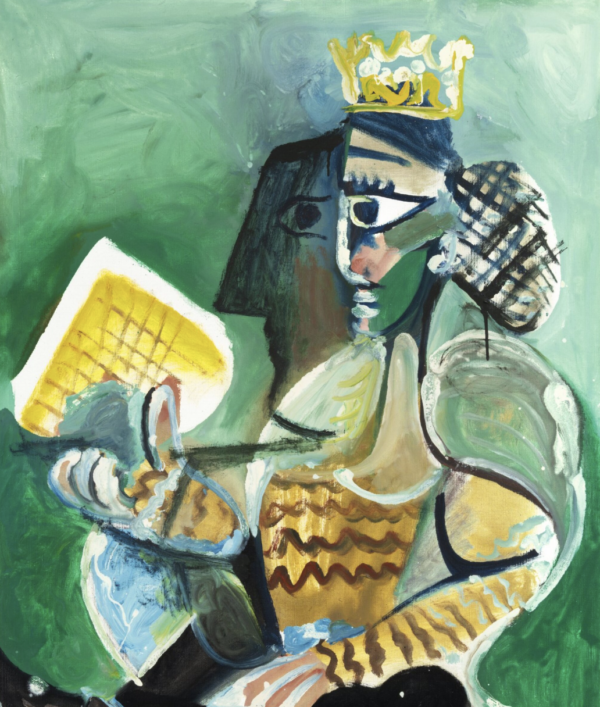
kill the bitch.
But the bitch is not yet ready to die.
Brava, she says, alone in a small room.


LIB’ERTY, noun [Latin libertas, from liber, free.]
1. Freedom from restraint, in a general sense, and applicable to the body, or to the will or mind. The body is at liberty when not confined; the will or mind is at liberty when not checked or controlled.
2. Natural liberty consists in the power of acting as one thinks fit, without any restraint or control, except from the laws of nature. It is a state of exemption from the control of others.
3. Liberty in metaphysics, as opposed to necessity, is the power of an agent to do or forbear any particular action, according to the determination or thought of the mind, by which either is preferred to the other. Freedom of the will; exemption from compulsion.
4. Religious liberty is the free right of adopting and enjoying opinions on religious subjects, and of worshiping the Supreme Being according to the dictates of conscience, without external control.


I must have the right to say “No.” Only I can give myself this right on a meaningful basis. My no is a function of some of the deepest compassionate feelings for myself. This no of mine represents whatever force I can bring against anything in me or outside of me which I recognize as being antithetical to my well-being. This no represents me at my most grown up. This no makes my yes meaningful. Without this no I am without healthy, self-preserving defenses against infantile aspects of myself … Without this no I am indefensible against the demands of other people and their desires.
―Compassion and Self-Hate, Theodore Isaac Rubin
—Julian of Norwich

